
HumanTech Summit 2026 – 3-5 December 2026, Central House of Technology (CDT)

HumanTech Summit 2026
On December 3–5, 2026 – Startup Event on 3 December and the main conference on 4–5 December at the Central House of Technology (CDT), 50 Krucza Street, Warsaw – we will once again bring together leading thinkers, researchers, innovators, and decision-makers to explore the evolving relationship between people and technology. Under the theme “Beyond Intelligence: Human Futures in a Technological World” this year’s edition dives deep into the opportunities, risks, and responsibilities defining our shared future.
Join us for a multidisciplinary conversation at the intersection of humanity and innovation.
Get your ticket (opens in a new tab) See the program
Conference from 250 PLN · online access 99 PLN · Startup Event free
What to expect?
Expect inspiring keynote speeches, engaging discussions and interactive workshops that explore the evolving relationship between humans and technology.
We plan to address key and current issues related to the relationship between humans and technology, strongly focusing on the following sessions:
- AI Governance, Law and Digital SovereigntyRead more →
Session I: AI Governance, Law and Digital Sovereignty
How should societies govern AI? From the EU AI Act to deepfake regulation and digital sovereignty, this session tackles the legal and political frameworks shaping how AI is built, deployed and controlled.
What you will explore
- The EU AI Act in practice – what it changes for oversight, medical devices and fundamental rights
- Digital sovereignty and open-source AI: who controls the infrastructure we depend on?
- Regulating deepfakes and synthetic media – when law meets a moving target
Why join
For legal scholars, policymakers, technologists and anyone who wants to understand the rules being written around AI – and help write better ones.
- AI as a Social and Moral PartnerRead more →
Session II: AI as a Social and Moral Partner
We increasingly treat AI as if it can think, feel and care. This session asks when that perception helps, when it misleads – and what it means for how we regulate and design machines that act as social partners.
What you will explore
- When should AI show empathy – and when is it manipulation?
- How perceiving ‘mind’ in machines shapes our acceptance and calls for regulation
- Moral decision-making by robots: design choices with real consequences
Why join
For psychologists, ethicists, AI designers and anyone curious about what happens when machines enter the social and moral world we thought was ours alone.
- Identity, Intimacy and Influence in Human–AI InteractionRead more →
Session III: Identity, Intimacy and Influence in Human–AI Interaction
AI is becoming companion, mirror and persuader. This session explores how interactions with AI reshape identity, desire and trust – from workplace attitudes to intimate digital relationships.
What you will explore
- How professionals relate to AI: companion, rival or tool?
- Intimacy, desire and the future of co-constructed digital relationships
- How AI response time and communication style influence our decisions and trust
Why join
For researchers, designers and communicators interested in the psychological and social dynamics that emerge when humans and AI grow closer.
- AI Literacy, Learning and Epistemic AgencyRead more →
Session IV: AI Literacy, Learning and Epistemic Agency
AI is changing how we learn, teach and know. But does more AI assistance make students smarter – or more dependent? This session focuses on building genuine AI literacy and protecting our ability to think for ourselves.
What you will explore
- From assistance to dependence: what happens when students rely on generative AI
- Measuring and building AI literacy among teachers
- Teaching when NOT to use AI – educators as guardians of epistemic agency
Why join
For educators, curriculum designers, students and policymakers who want AI in education to empower thinking, not replace it.
- Human Factors, Accessibility and Inclusive TechnologiesRead more →
Session V: Human Factors, Accessibility and Inclusive Technologies
Technology that works for some and excludes others is not good enough. This session examines how human factors research, accessibility science and inclusive design can make technology serve everyone.
What you will explore
- Usable does not mean accessible – the hidden cognitive cost of technology
- Smart homes and independence for people with disabilities
- Immersive training for crisis response: evidence from VR environments
Why join
For UX researchers, accessibility specialists, engineers and anyone who believes the best technology is the kind that leaves nobody behind.
- Human-Centered AI: Design, Analysis and Societal FuturesRead more →
Session VI: Human-Centered AI: Design, Analysis and Societal Futures
Where is human–AI collaboration heading? This session looks at the bigger picture – from how young designers co-create with AI to what political language reveals about us, and how we model a more human-centred future.
What you will explore
- Human–AI collaboration frameworks: insights from young designers and practitioners
- Digital fashion, social identity and the metaverse as a new social interface
- Using AI to analyse political language and map psychological profiles
Why join
For designers, social scientists, futurists and interdisciplinary thinkers who want to shape what human-centred AI means in practice.
Keynote Speakers

Joanna Bryson
Hertie School, Germany
Keynote speaker
Joanna Bryson
Hertie School, Germany
Professor Joanna J. Bryson (Hertie School, Germany) is an expert in the ethics of artificial intelligence at the intersection of psychology and AI. She co-authored the British Principles of Robotics (2011), the first national code of ethics for AI, and published one of the earliest works on AI anthropomorphization (Just Another Artifact, 1998). She previously led the AI team at the University of Bath and is currently a professor at the Hertie School in Berlin.
Hertie School ↗ (opens in a new tab)Website ↗ (opens in a new tab)
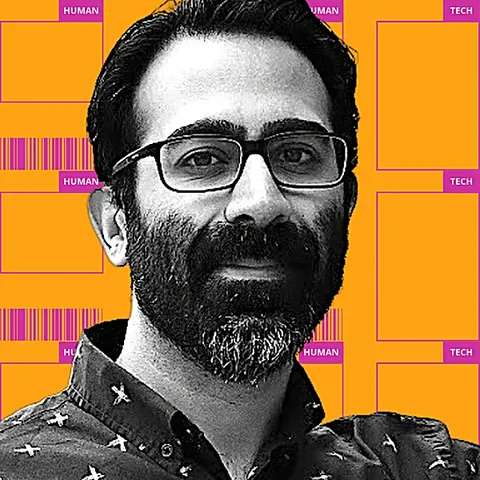
Sangeet Khemlani
US Naval Research Laboratory, USA
Keynote speaker
Sangeet Khemlani
US Naval Research Laboratory, USA
Sangeet Khemlani is a Senior Cognitive Scientist at the US Naval Research Laboratory in Washington, DC, where he leads the Reasoning Lab in the Navy Center for Applied Research in Artificial Intelligence. His research combines cognitive science and AI to understand how people reason, explain and make decisions, and he developed mReasoner, a computational model of human reasoning based on mental model theory. He holds a PhD in psychology from Princeton University.
Homepage ↗ (opens in a new tab)Google Scholar ↗ (opens in a new tab)Twitter ↗ (opens in a new tab)GitHub ↗ (opens in a new tab)
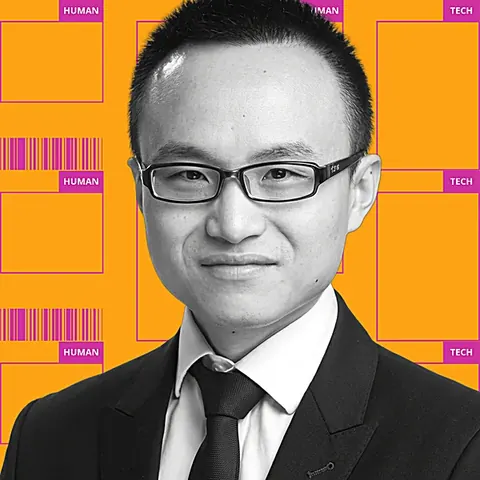
Peng Liu
Zhejiang University, China
Keynote speaker
Peng Liu
Zhejiang University, China
Prof. Peng Liu is with the Center for Psychological Sciences, Zhejiang University, China. He previously served as an associate professor at the College of Management and Economics, Tianjin University. He has also been a visiting professor at the Centre for Biomedical Ethics, National University of Singapore, and a visiting researcher at the Department of Experimental Psychology and the Uehiro Oxford Institute, University of Oxford. His current research focuses on interdisciplinary studies of AI technologies (e.g., generative AI and automated vehicles) and their interactions with humans and society. He is the first- and corresponding-author of over 50 SCI/SSCI journal papers, with recent work appearing in Engineering, Risk Analysis, and Cognition. From 2021 to 2024, he was listed among the world’s top 2% scientists by Stanford University and Elsevier, and in 2024, he received the IEA/Kingfar Early Career Researcher Award from the International Ergonomics & Human Factors Association.
Zhejiang University ↗ (opens in a new tab)Oxford Uehiro Centre ↗ (opens in a new tab)
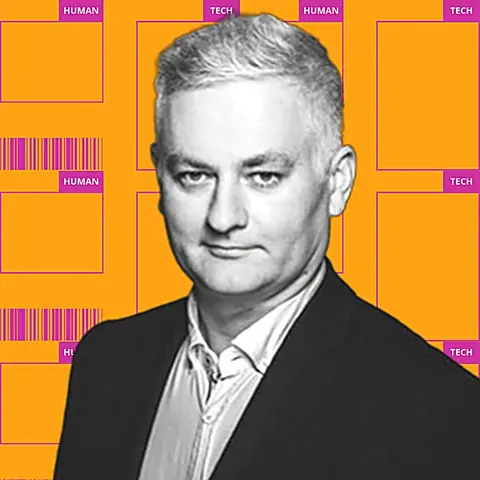
Piotr Sankowski
University of Warsaw / IDEAS Research Institute, Poland
Keynote speaker
Piotr Sankowski
University of Warsaw / IDEAS Research Institute, Poland
Piotr Sankowski is a Professor at the Institute of Informatics, University of Warsaw, and Director of the IDEAS Research Institute, continuing the mission of IDEAS NCBR, which he founded in 2021 as Poland’s national research centre for artificial intelligence. His research focuses on algorithms — particularly algebraic methods for graph problems — with applications in data science, explainable AI and economic modelling. He is the only Polish scientist to have received four European Research Council grants and was awarded the National Science Centre Prize in 2018. He holds doctorates in both computer science and physics.
University of Warsaw ↗ (opens in a new tab)DBLP ↗ (opens in a new tab)
Special Guest
Additional Events






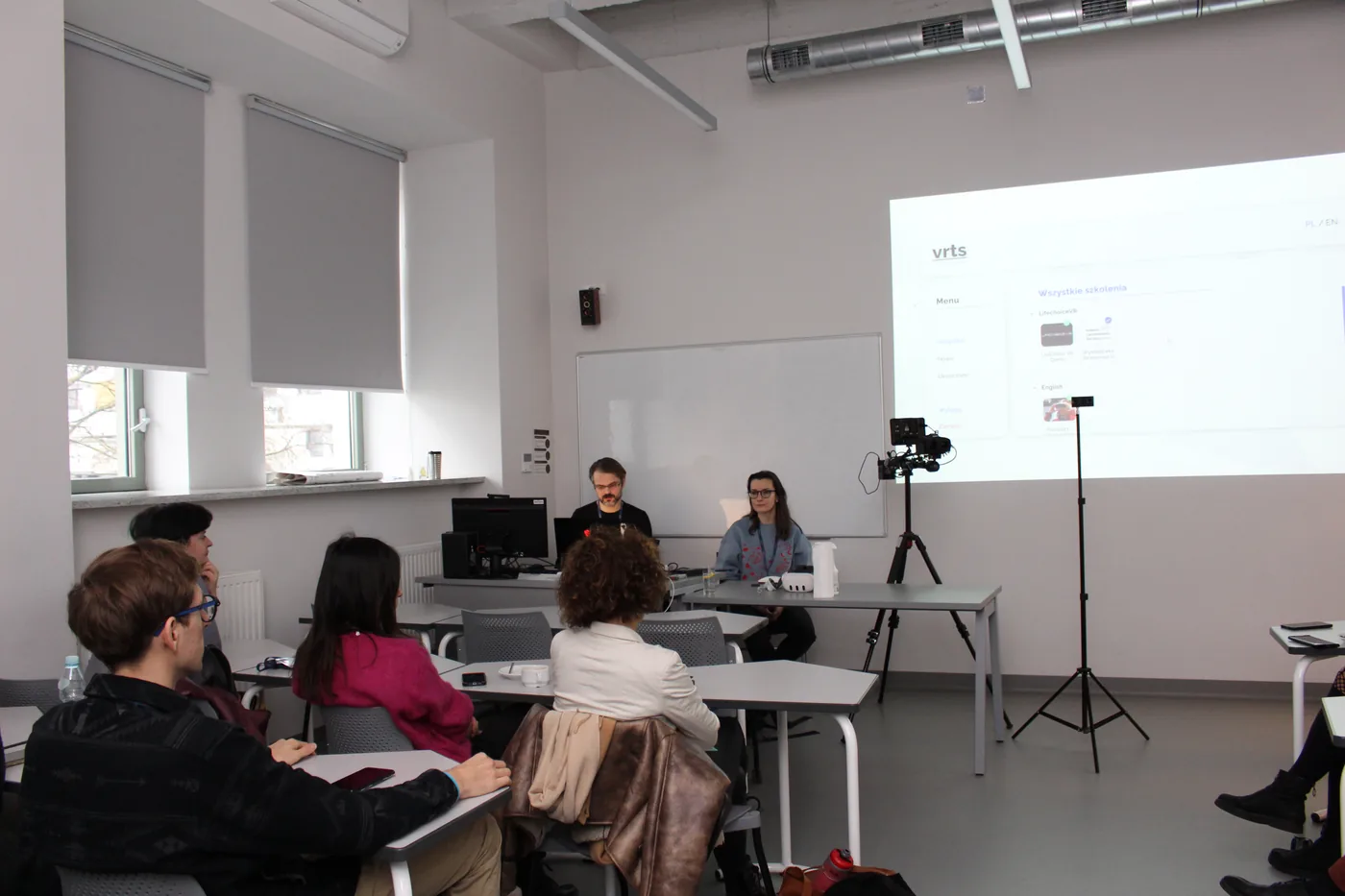
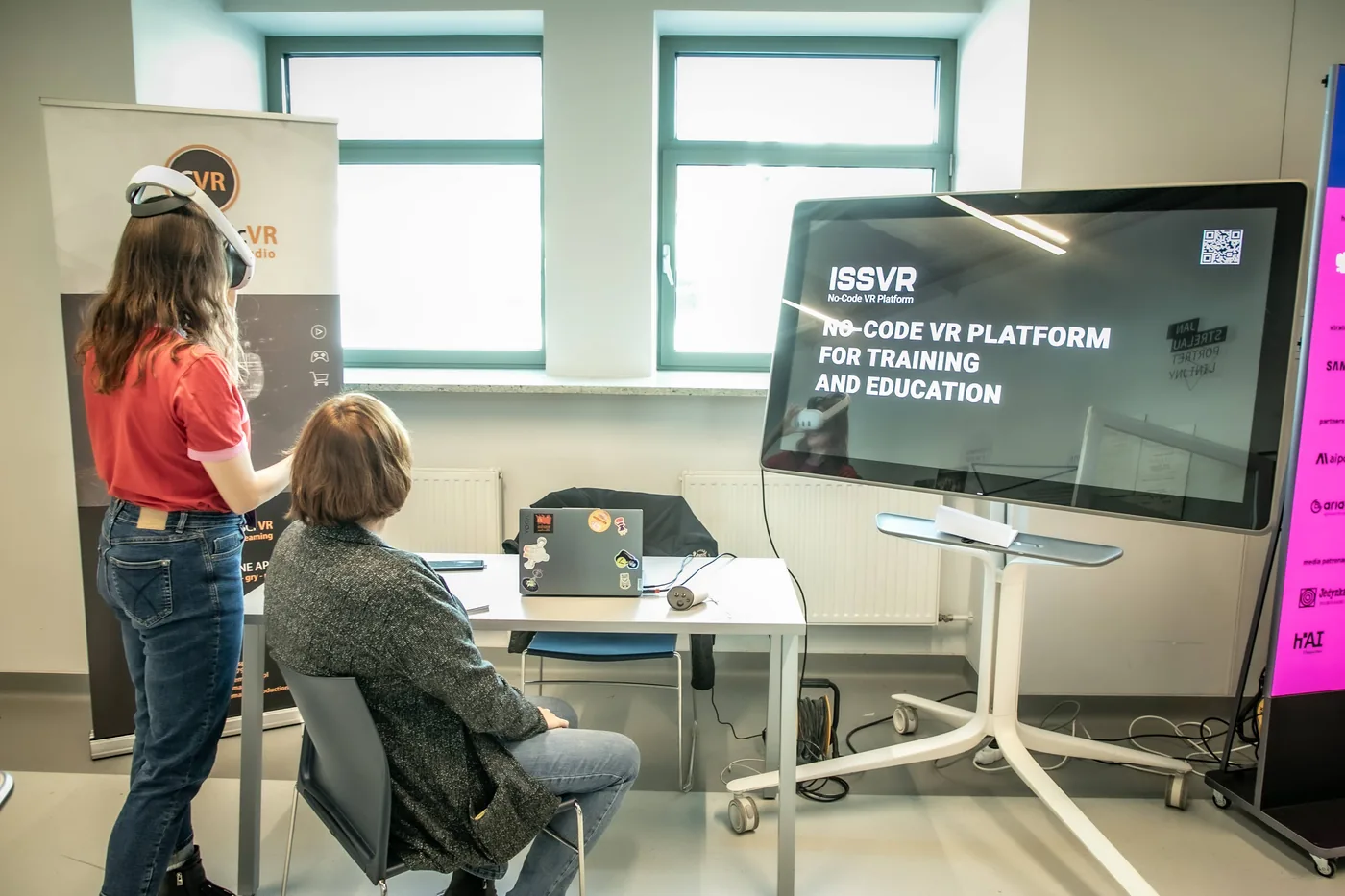
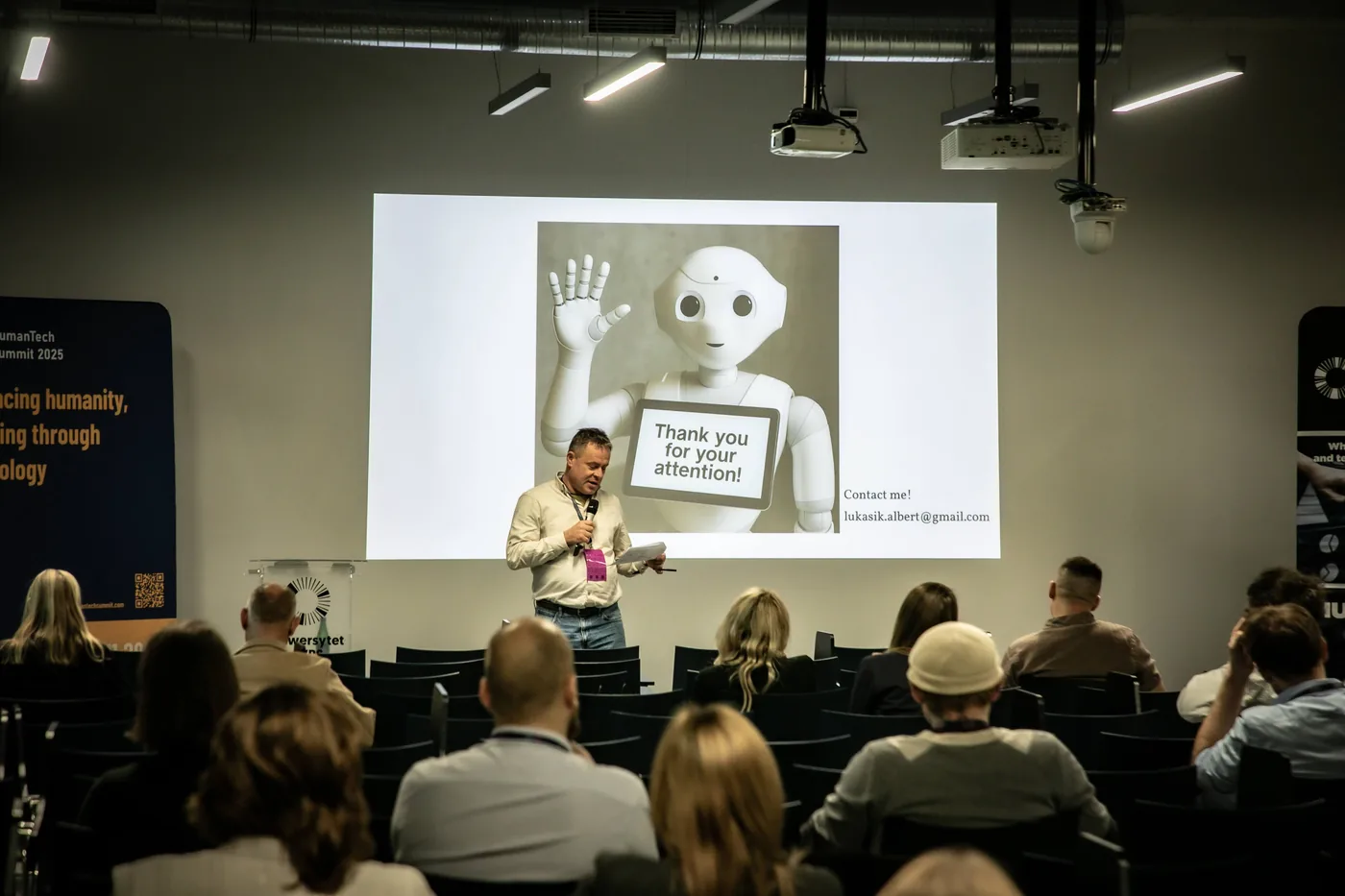
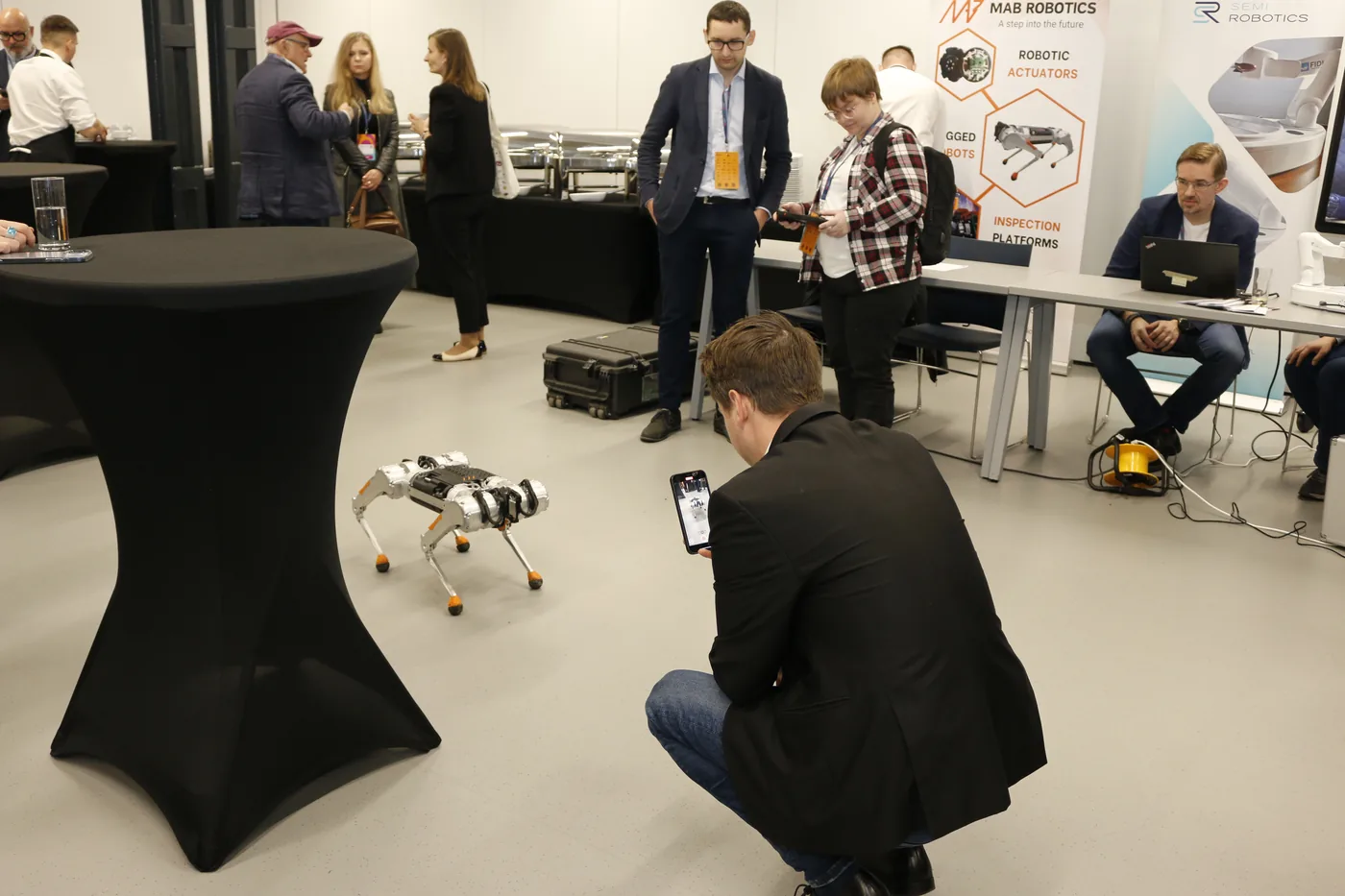
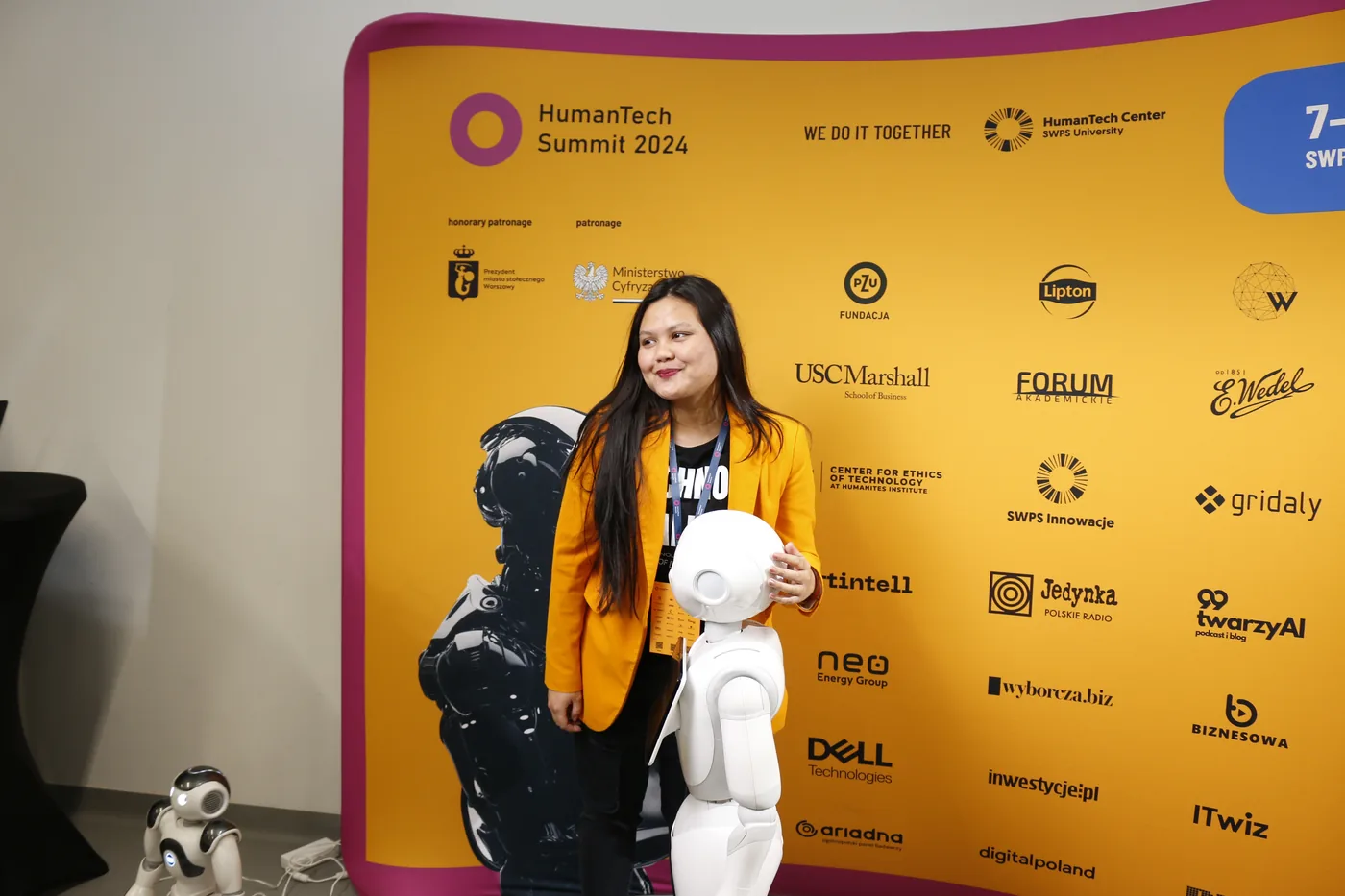
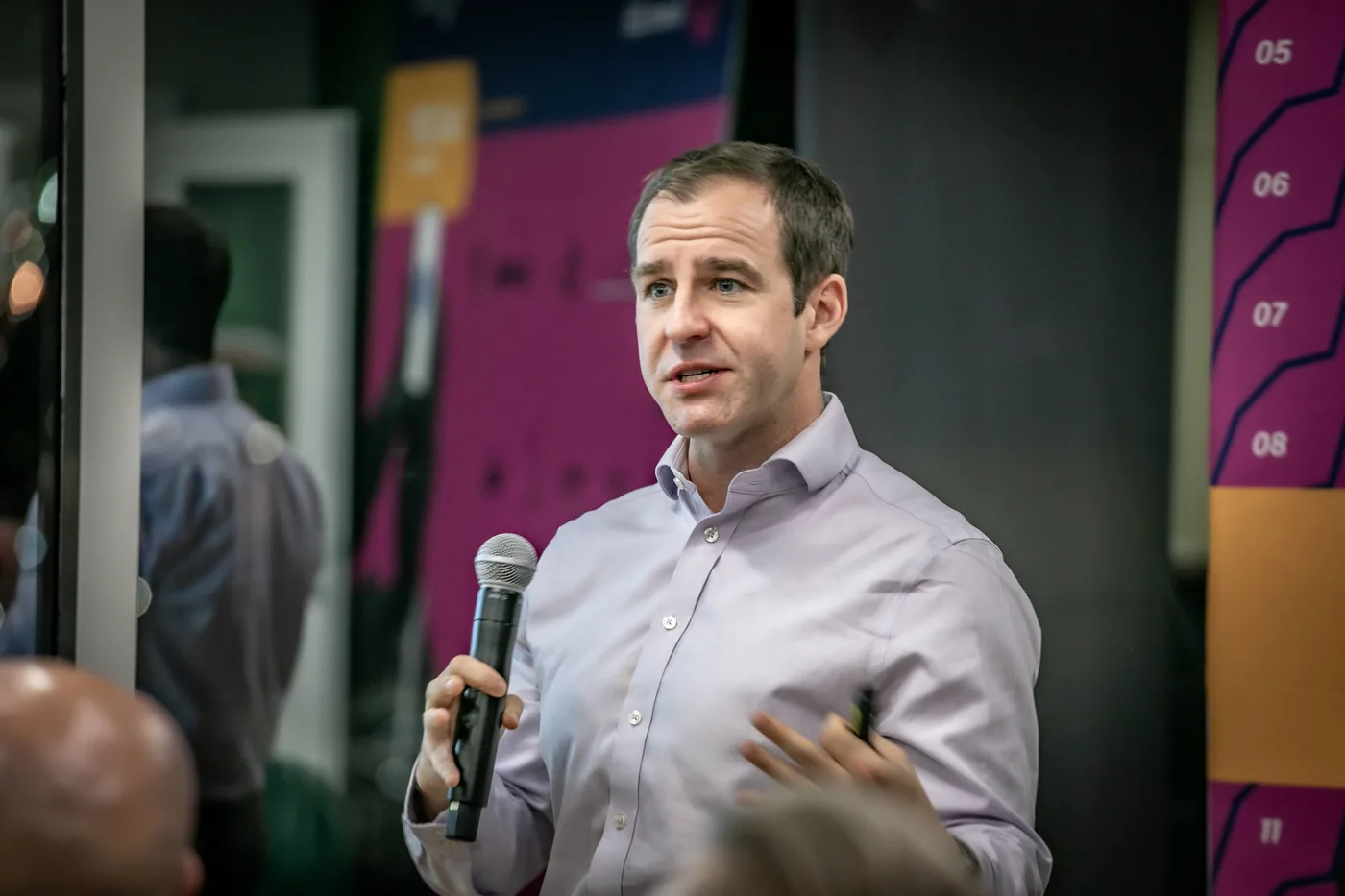

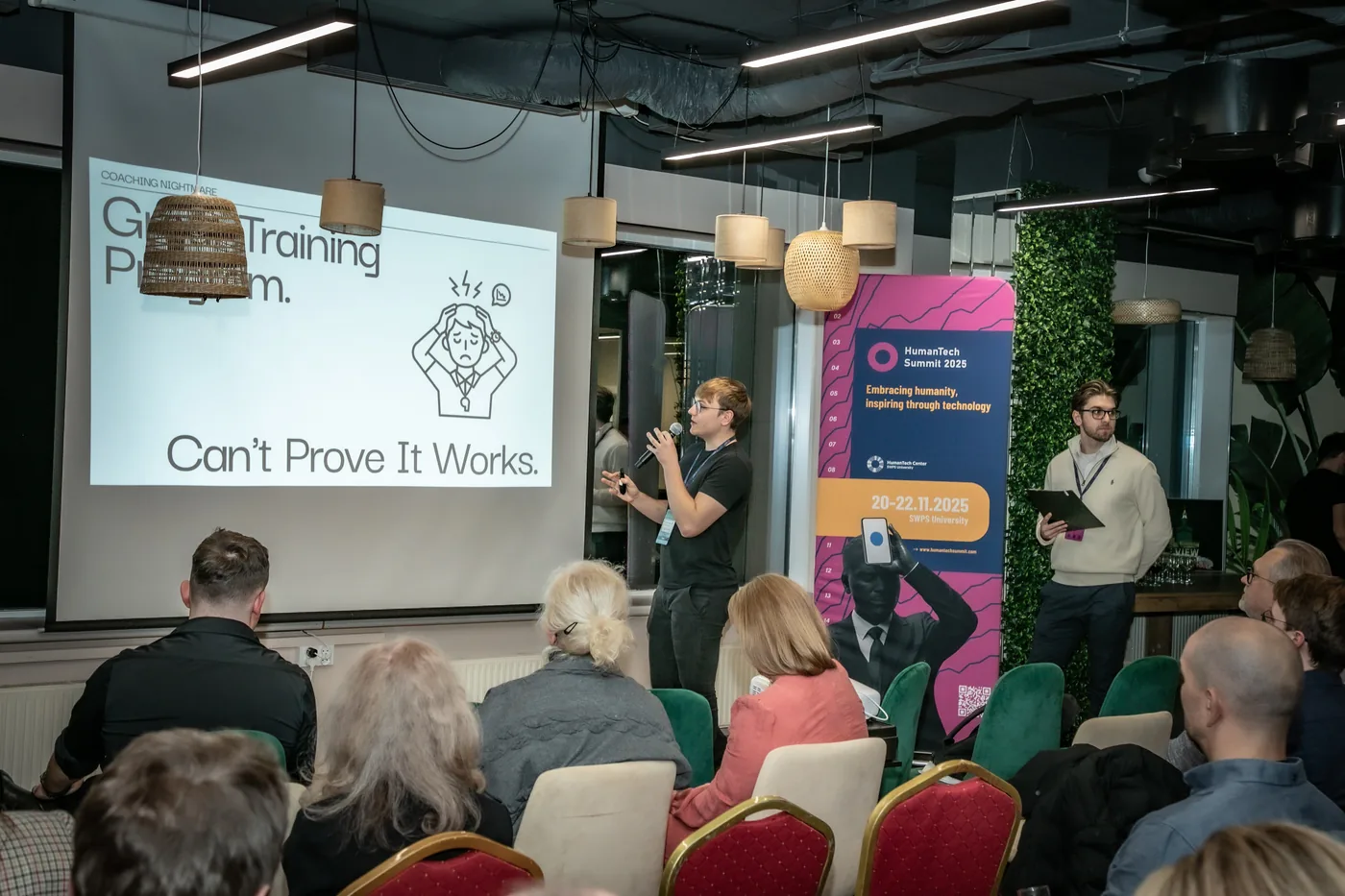
Scientific Committee
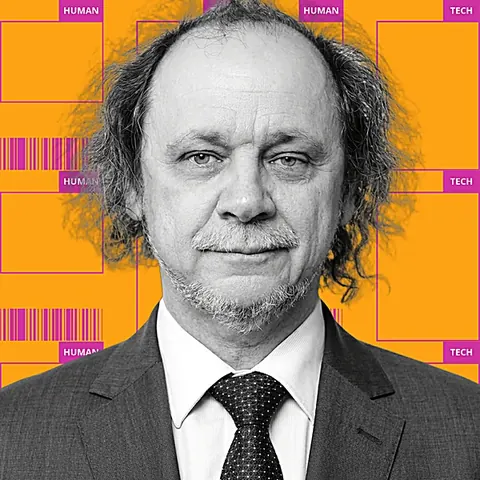
Włodzisław Duch
Nicolaus Copernicus University in Toruń
Scientific Committee
Włodzisław Duch
Nicolaus Copernicus University in Toruń
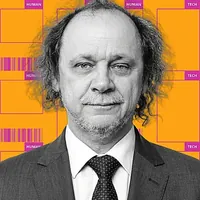
Włodzisław Duch is a full professor of informatics at Nicolaus Copernicus University in Toruń, where he heads the Neurocognitive Laboratory at the Interdisciplinary Center of Modern Technologies. His research spans computational intelligence, neuroinformatics and cognitive science. He served two terms as President of the European Neural Network Society, is an INNS Fellow, and was Poland's Deputy Minister of Science and Higher Education in 2014–2015.
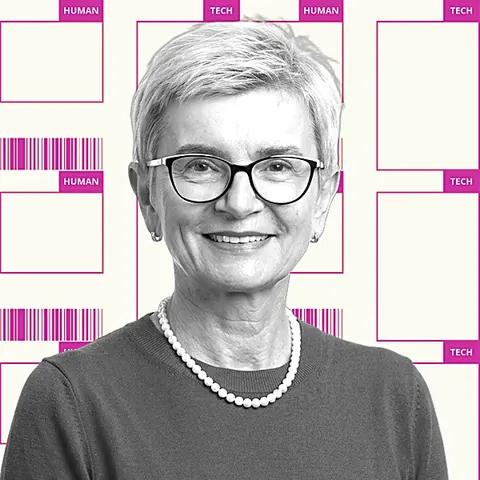
Maria Ganzha
Warsaw University of Technology, Poland
Scientific Committee
Maria Ganzha
Warsaw University of Technology, Poland
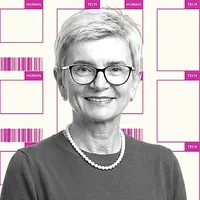
Maria Ganzha is a computer scientist at the Faculty of Mathematics and Information Science of Warsaw University of Technology. Her research covers agent-based systems, semantic technologies and machine learning, with nearly 200 publications. She was Technical Coordinator of the EU Horizon project ASSIST-IoT and heads the Mazovia branch of the Polish Information Processing Society.
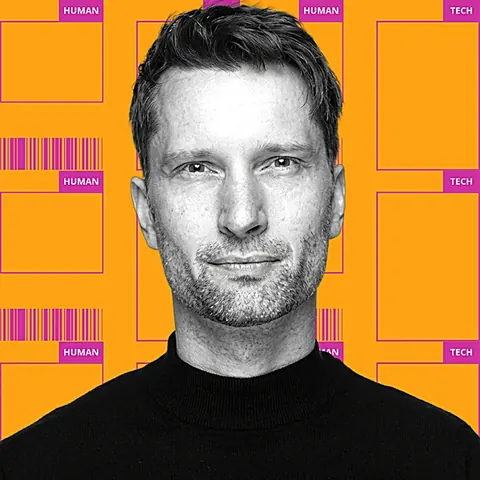
Michał Kosiński
Stanford University, USA
Scientific Committee
Michał Kosiński
Stanford University, USA
Michał Kosiński is an Associate Professor of Organizational Behavior at the Stanford Graduate School of Business. He studies human and artificial cognition, including psychological processes in large language models and how digital footprints predict human behaviour. He holds a PhD in psychology from the University of Cambridge, where he was Deputy Director of the Psychometrics Centre.
Stanford GSB ↗ (opens in a new tab)Website ↗ (opens in a new tab)

Aleksandra Przegalińska
Vice - Rector | Kozminski University
Scientific Committee
Aleksandra Przegalińska
Vice - Rector | Kozminski University
Aleksandra Przegalińska is a professor and Vice-Rector for Innovation and AI at Kozminski University in Warsaw, where she leads the Human Race centre for research on human–machine interaction. She studies how AI changes work, education and decision-making, has been a research fellow at the MIT Center for Collective Intelligence, and leads the EUonAIR European University Alliance.
Kozminski University ↗ (opens in a new tab)Wikipedia ↗ (opens in a new tab)
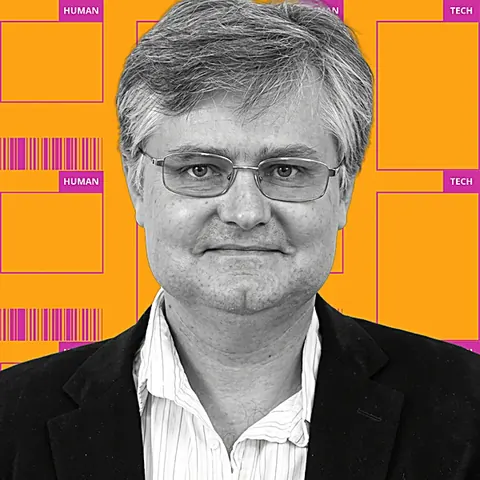
Piotr Winkielman
University of California, San Diego, USA / SWPS University, Poland
Scientific Committee
Piotr Winkielman
University of California, San Diego, USA / SWPS University, Poland
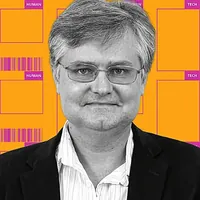
Piotr Winkielman is a Professor of Psychology at the University of California, San Diego, and is also affiliated with SWPS University in Warsaw. His research examines how emotion, cognition, embodiment and consciousness interact in social cognition. He is a Fellow of the Association for Psychological Science and was elected to the Academia Europaea in 2023.
UC San Diego ↗ (opens in a new tab)Lab website ↗ (opens in a new tab)
Agnieszka Wykowska
Italian Institute of Technology, Genoa, Italy
Scientific Committee
Agnieszka Wykowska
Italian Institute of Technology, Genoa, Italy
Agnieszka Wykowska leads the Social Cognition in Human-Robot Interaction unit at the Italian Institute of Technology in Genoa and coordinates its Center for Human Technologies. Her work combines cognitive neuroscience and human–robot interaction to study when people attribute intentions to robots. She holds an ERC Starting Grant and is Editor-in-Chief of the International Journal of Social Robotics.
IIT profile ↗ (opens in a new tab)ERC story ↗ (opens in a new tab)
Organizing Committee

Konrad Maj
Head of HumanTech Center | Chairman of the Organizing Committee
Organizing Committee
Konrad Maj
Head of HumanTech Center | Chairman of the Organizing Committee
Konrad Maj is a social psychologist and assistant professor at SWPS University in Warsaw, where he heads the HumanTech Center for Social and Technological Innovation and chairs the HumanTech Summit Organizing Committee. He studies the social and psychological side of new technologies, especially AI and humanoid robots, and ran some of Poland's first experimental studies of human–robot interaction. In 2023 he received the Popularyzator Nauki award.
SWPS University ↗ (opens in a new tab)LinkedIn ↗ (opens in a new tab)

Dorota Pągowska
Executive Coordinator
Organizing Committee
Dorota Pągowska
Executive Coordinator
An experienced event and project coordinator specializing in conference management, business development, and strategic partnerships. Since 2024, she has been coordinating HumanTech Summit at the HumanTech Center of SWPS University, overseeing event operations, team collaboration, partner relations, and promotional activities.

David Sypniewski
Head of AI Open Lab, Design Department | SWPS University
Organizing Committee
David Sypniewski
Head of AI Open Lab, Design Department | SWPS University
Researcher, creator, and lecturer affiliated with SWPS University (Warsaw, Poland), where he serves as the Head of the Artificial Intelligence Unit and the Dean’s Representative for Innovation at the Faculty of Design. He is also the founder and director of the AI Open Lab. Holding an MA in Cultural Studies with a core focus on intercultural theater, his academic and artistic work bridges technical AI deployments, creative coding, and performance theory. His research explores the integration of artificial intelligence within design processes. Beyond academia, he has an extensive background in the NGO sector, where he utilized interactive theater, photography, and film to work with communities at risk of social exclusion.
LinkedIn ↗ (opens in a new tab)Instagram ↗ (opens in a new tab)Facebook ↗ (opens in a new tab)

Izabela Głębicka
Organizing Committee
Izabela Głębicka
Psychologist and initiator of Digital Psychology Section (Human - Technology) at the Polish Psychological Association. Founder of PsycheFuture, bridging clinical psychology and cutting-edge neurotechnology to target digital stress and optimize mental performance.
LinkedIn ↗ (opens in a new tab)Website ↗ (opens in a new tab)Instagram ↗ (opens in a new tab)

Ariadna Gołębicka
Startup Challenge Coordinator
Organizing Committee
Ariadna Gołębicka
Startup Challenge Coordinator
Ariadna Gołębicka is an IT consultant with over 20 years of hands-on experience in technical support, IT systems, network troubleshooting, and business software implementation. Her longstanding fascination with computers, networks, and robotics, combined with a background in psychology, has led her to interdisciplinary research on human–technology interaction at the HumanTech Center. Cybersecurity is a growing focus of her professional development. She actively expands her expertise in network security, penetration testing, and OSINT, with a particular interest in the intersection of technology, human behavior, and disinformation. She is motivated by the opportunity to apply both technical and psychological insights to help protect people and organizations from digital threats. Beyond her professional interests, she enjoys sailing, event photography, and exploring Greek history and culture.

Basia Klecha

Liza Tanska

Piotr Senkus
University for Peace UN Mandate
University of Warsaw
Calisia University
Organizing Committee
Piotr Senkus
University for Peace UN Mandate
University of Warsaw
Calisia University
Prof. of UPACE UN Mandate, Habilitated Doctor in Security and Defence, PhD in Economics and Finance. Author of 80+ peer-reviewed publications (Springer, Routledge, Scopus; 500+ citations). Co-founder of the BPM Competence Centre and Program Director of AI4Executives at the University of Warsaw. Research focus: AI strategy, business process management, and digital transformation.
LinkedIn ↗ (opens in a new tab)Website ↗ (opens in a new tab)

Anne Nießen

Bartosz Ferensztajn

Kamila Kubiec

Katarzyna Jurczak
Organizing Committee
Katarzyna Jurczak
Researcher, speaker and trainer working at the intersection of technology and psychology. She brings 20 years of experience in the tech industry as an engineering and product manager, and is completing a master’s degree in psychology at SWPS University. Public speaker, trainer, science communicator and collaborator of the Imagine INclusive Technology Foundation.

Martyna Groth
SWPS University
Organizing Committee
Martyna Groth
SWPS University
Martyna Groth is a researcher, lecturer and curator with a PhD in the Humanities. She specialises in visual and puppetry theatre, new media art, multimedia practices and exhibition curation. She authored Teatr Galeria, in which she introduced the concept of 'expanded theatre', and develops interdisciplinary projects at the intersection of art and technology. She teaches at SWPS University and the Institute of Art of the Polish Academy of Sciences, and is a member of the HumanTech Summit 2026 organising team.
Organizer


Honorary Patronage




Strategic Partners

Strategic IT Partner

Partners






HumanTech Summit 2026 at a glance
- What
- HumanTech Summit 2026 – the 5th edition of an international, English-language conference on human-centered AI and the relationship between people and technology. Theme: “Beyond Intelligence: Human Futures in a Technological World”.
- When
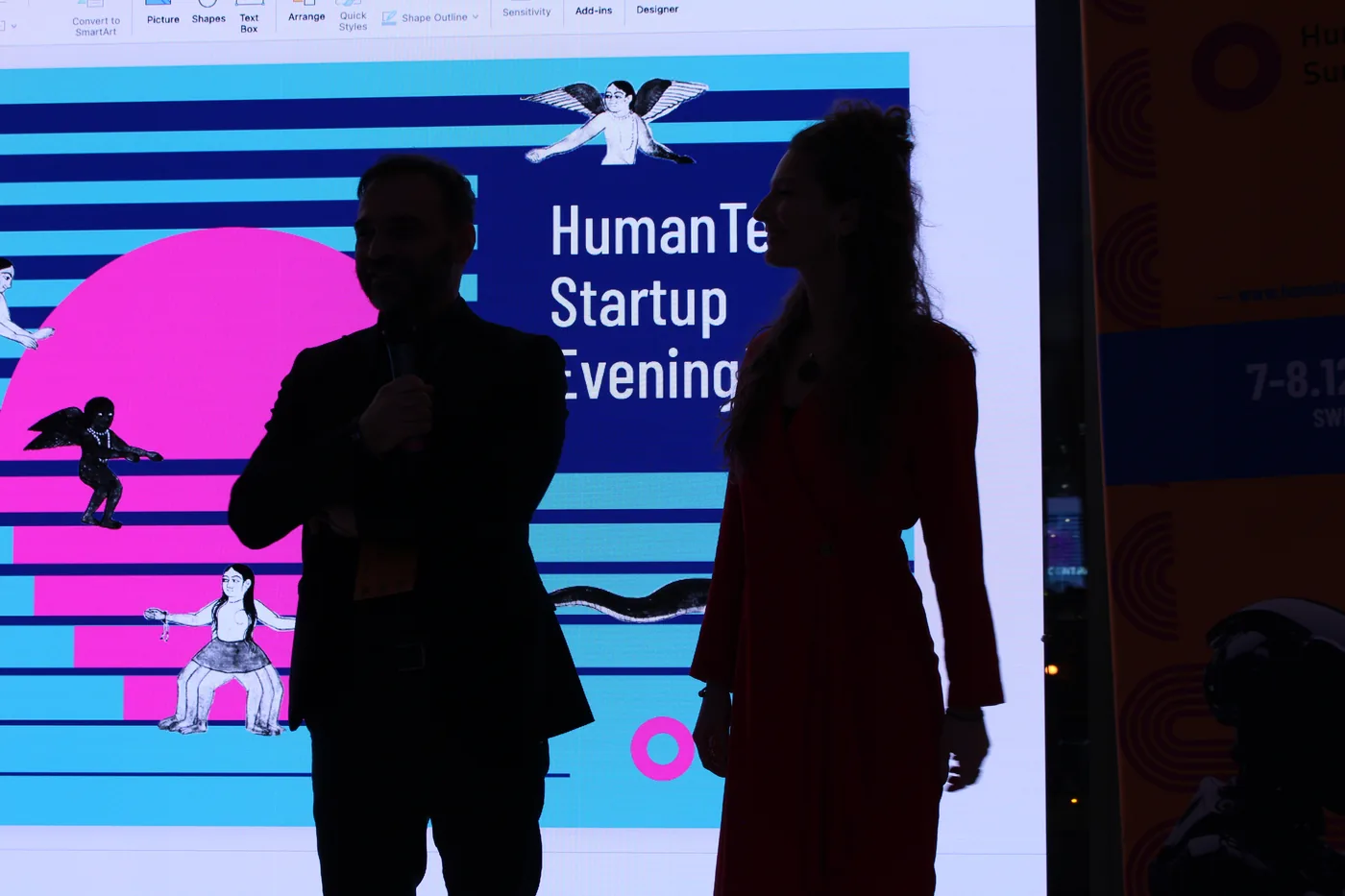
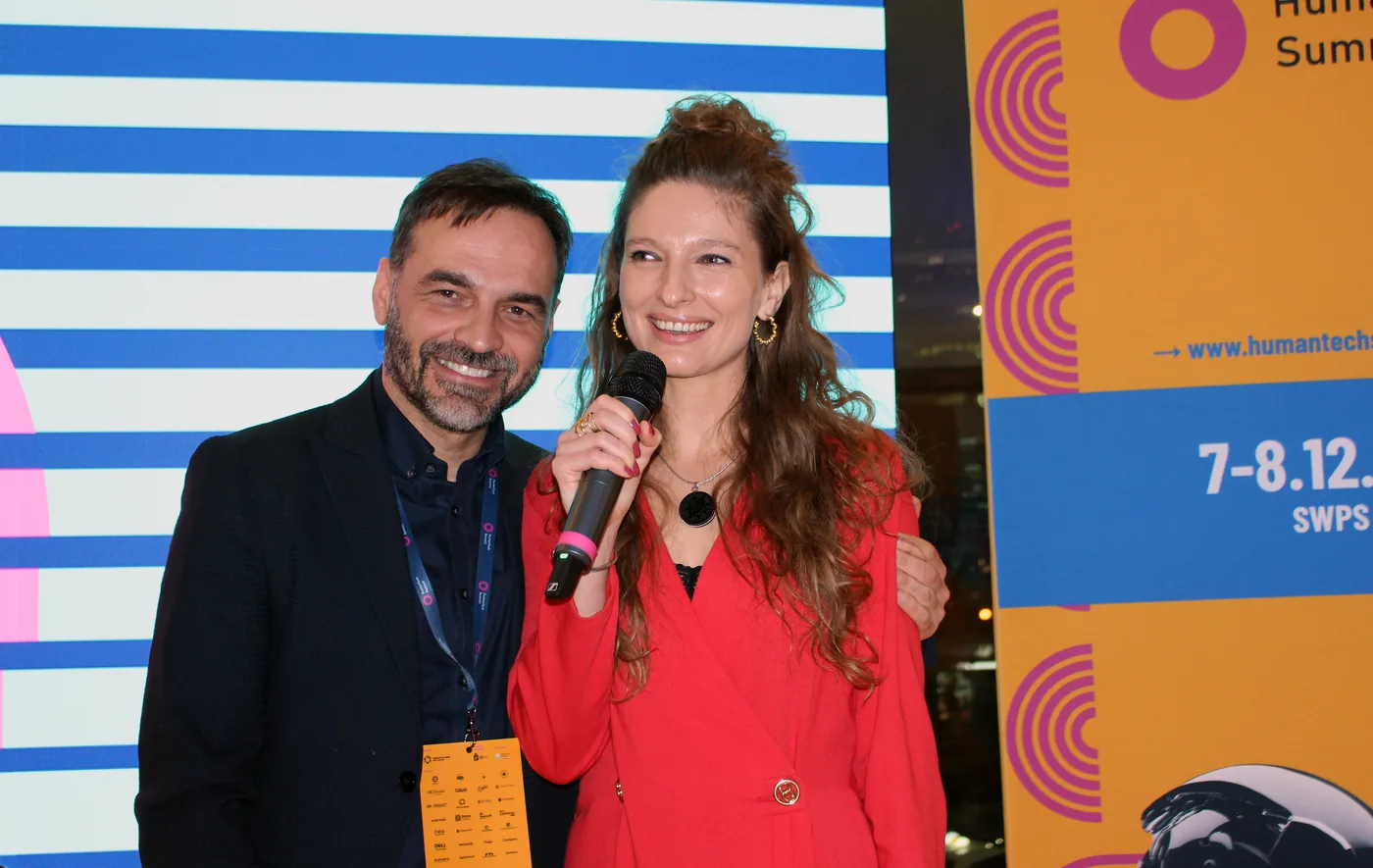
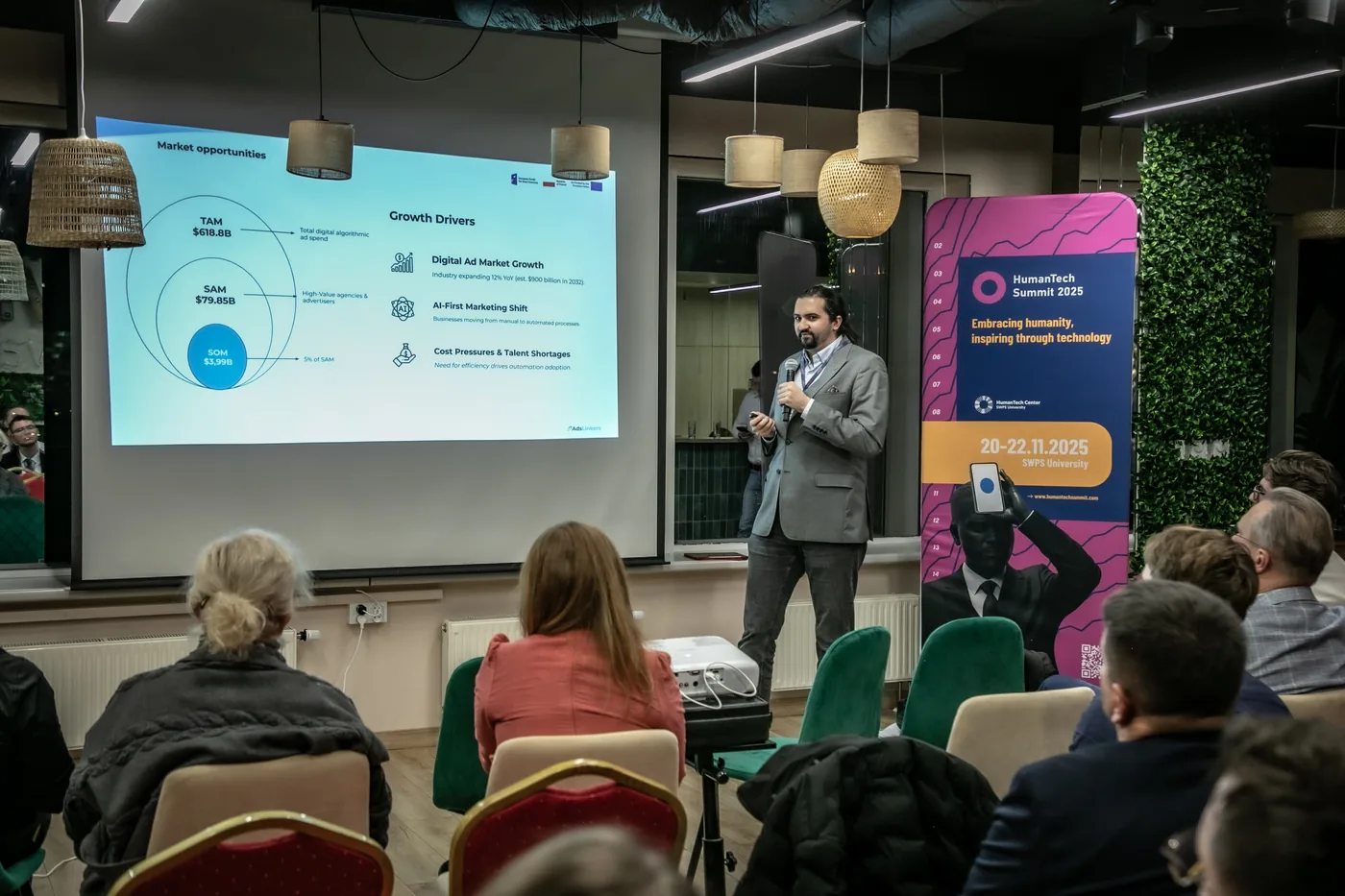
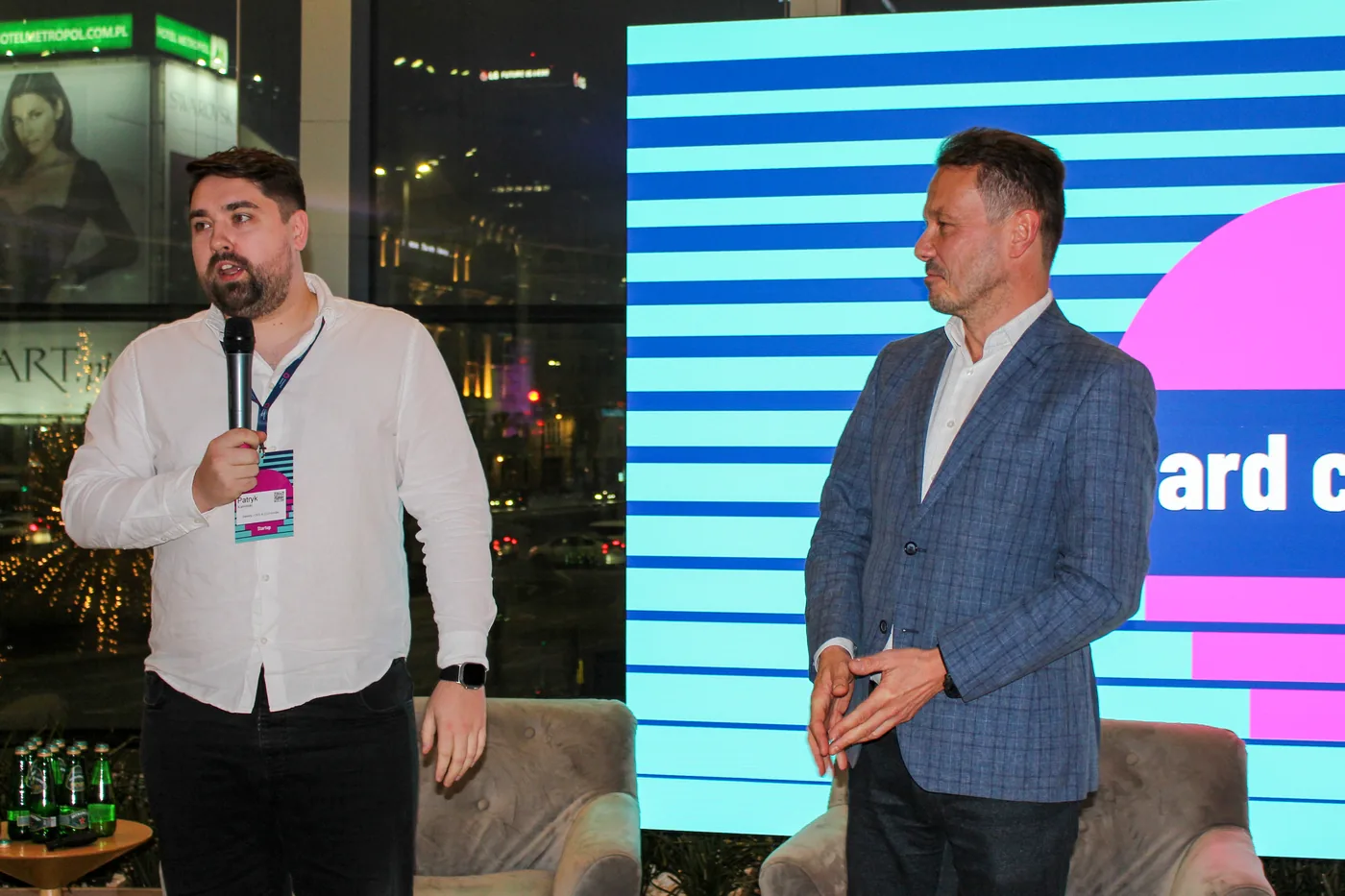
- Startup Event on Thursday 3 December 2026 (from 11:00, with the premiere of the Standard for Responsible AI Implementation from the UN Global Compact Network Poland Governance Compass programme); main conference on 4–5 December 2026. Evening of 4 December: discussion panel on technology, art and theatre (19:30), a hybrid performance directed by Krzysztof Garbaczewski (20:30) and the Networking Party / Get Together Party (22:00).
- Organisers
- HumanTech Center at SWPS University, with UN Global Compact Network Poland.
- Keynote speakers
- Joanna Bryson (Hertie School), Piotr Sankowski (University of Warsaw / IDEAS), Sangeet Khemlani (US Naval Research Laboratory) and Peng Liu (Zhejiang University).
- Topics
- AI governance, law and digital sovereignty; AI as a social and moral partner; identity and intimacy in human–AI interaction; AI literacy and learning; human factors and accessibility; human-centered AI design.
- Scale
- 5th edition. Registrations in the conference system: 1,090 for HumanTech Summit 2024 and 874 for 2025, plus 73 for HumanTech Hack 2024; speakers from Europe, the USA, Qatar and China.
- Tickets
- Conference 500 PLN, students 250 PLN, Get Together Party 99 PLN, online access 99 PLN (free for SWPS University students and staff); Startup Event free – humantechsummit.com/tickets/.
Speakers and committee
 Joanna Bryson
 Sangeet Khemlani
 Peng Liu
 Piotr Sankowski
 Kamil Wyszkowski
 Włodzisław Duch
 Maria Ganzha
 Michał Kosiński
 Aleksandra Przegalińska
 Piotr Winkielman
 Agnieszka Wykowska
 Konrad Maj
 Dorota Pągowska
 David Sypniewski
 Izabela Głębicka
 Ariadna Gołębicka
 Piotr Senkus
 Katarzyna Jurczak
 Martyna Groth
 Emily Cross
 Emile Kroeger
 Michael W. Morris
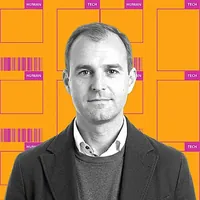 Andrew Przybylski
 Jessica M. Szczuka
 Nina Jane Patel
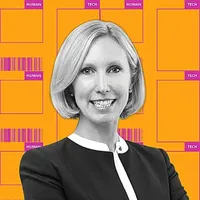 Katherine Stapleton
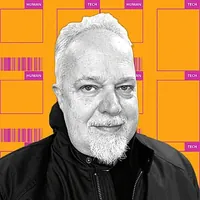 Arvid Kappas
 Matt Motyl
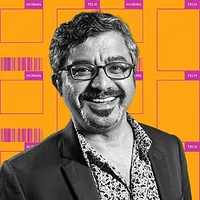 S. Shyam Sundar
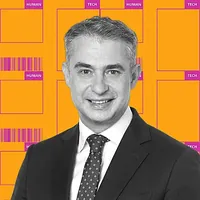 Krzysztof Gawkowski
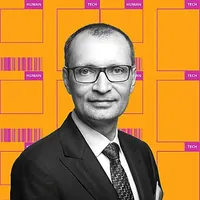 Roman Cieślak
 Atilla Arda Beşen
 Róża Kozłowska
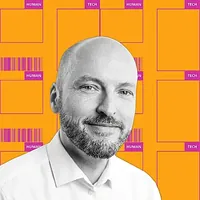 Michał Parkoła
 Sonia Ziemba
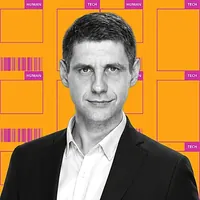 Przemysłam Budnicki
 Michał Jędrzejewski
 Michał Kotnowski
 Christian Klaes
 Zillah Watson
 Anna Ciaunica
 Anne Scherer
 Selma Sabanovic
 Jonathan Gratch
 Youyou Wu
 Tara S. Behrend
 Moshe Y. Vardi
 Nathanael J. Fast
 Andrew H. Schwartz
Frequently asked questions
When and where is HumanTech Summit 2026?
HumanTech Summit 2026 takes place on 3–5 December 2026 in Warsaw, Poland. The Startup Event is on 3 December and the main conference on 4–5 December, at the Central House of Technology (CDT), Krucza 50.
Who organises HumanTech Summit?
The conference is organised by the HumanTech Center at SWPS University in Warsaw, together with UN Global Compact Network Poland. The Organizing Committee is chaired by Konrad Maj, Head of the HumanTech Center.
What is HumanTech Summit about?
It is a multidisciplinary conference on human-centered AI: how artificial intelligence and other technologies change law, ethics, relationships, learning, work and accessibility – with researchers, industry and policymakers on one stage.
Which AI conferences take place in Warsaw in December 2026?
HumanTech Summit 2026 is an AI conference in Warsaw on 3–5 December 2026 at the Central House of Technology (CDT). It covers human-centered AI, AI ethics, AI governance and law, human–AI interaction and AI literacy, with international keynote speakers and a startup pitch competition.
Is HumanTech Summit an AI ethics and AI governance conference?
Yes. AI ethics and AI governance are core tracks: Session I covers AI governance, law and digital sovereignty (including the EU AI Act), Session II AI as a social and moral partner. Keynote speaker Joanna Bryson is a leading AI ethics researcher.
Is HumanTech Summit in English?
Yes. HumanTech Summit is an international, English-language conference: all keynotes, sessions, the call for papers and the Startup Event pitches are in English, so no Polish is needed to take part.
How big is HumanTech Summit?
HumanTech Summit 2026 is the 5th edition. The conference registration system recorded 1,090 registrations for HumanTech Summit 2024 and 874 for HumanTech Summit 2025, plus 73 for HumanTech Hack 2024. Keynote speakers come from Germany, Sweden, Qatar and China; the Scientific Committee includes researchers from Stanford, UC San Diego, the Italian Institute of Technology and Polish universities.
How much does a ticket to HumanTech Summit 2026 cost?
A Participant ticket for the main conference (4–5 December) costs 500 PLN and a Student ticket 250 PLN. The Get Together Party on 4 December is 99 PLN; online access is 99 PLN (free for SWPS University students and staff with an swps.edu.pl e-mail); the Startup Event on 3 December is free. See the tickets page.
How can a startup take part?
Startups at MVP stage or later can apply to the HumanTech Startup Challenge for free until 10 November 2026. Selected teams pitch to investors on 3 December 2026.
How can my organisation become a partner?
Partner packages (Silver, Gold, Platinum or custom) are described on the Become a Partner page; contact htsummit@swps.edu.pl.
htsummit@swps.edu.pl
HumanTech Center, SWPS University,
Chodakowska street 19/31
03-815 Warsaw, Poland